

Common Name: Arizona Toad
Scientific Name: Anaxyrus microscaphus
Family: Bufonidae – True Toad family
Locations: United States – Arizona, California, New Mexico, Nevada, and Utah
Size: 2- 3 inches (50 – 80 mm)
The Arizona Toad was first described from a specimen from Arizona, hence the name. It is also found all over the southwestern United States. Like most toads, the Arizona Toad is nocturnal (active at night) and spends most of their time underground. They come up to the surface at night to eat. They vary in color from gray, red, or brown in color. It has a weak cranial crest and oval shaped parotoid glands.
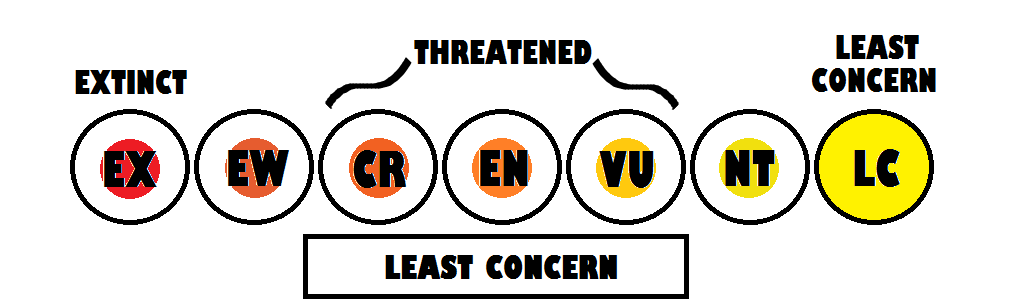
While the International Union for the Conservation of Nature (IUCN) Red List has them listed as only Least Concern, the populations are slowly declining due to habitat destruction and hybridization. Another threat is the hybridization of the toad. The Arizona Toad and the Woodhouse’s Toad (Anaxyrus woodhousii) hybridize and pushes true Arizona Toads out of areas.

The breeding season happens for a short period of time from February to April. Breeding only takes 10 to 12 days. The male toad will call from the shallows of pools next to streams and rivers. The female toads will choose a mate and the two will pair up in amplexus, where the male toad grabs the female toad from behind. The female toad will then lay her eggs and the male toad will fertilize them. The female toad lays an average of 4500 eggs. The eggs take 3 to 6 days to hatch. Then, the tadpoles take 1 to 3 months to complete their metamorphosis.
4 thoughts on “Arizona Toad (Anaxyrus microscaphus)”