

Common Name: Mexican Giant Tree Frog, Mexican Leaf Frog
Scientific Name: Agalychnis dacnicolor
Family: Hylidae – Tree Frog family
Location: Mexico
Female Size: 4 inches (103 mm)
Male Size: 2.9 inches (73 mm)
The Mexican Giant Tree Frog is an arboreal species of frog, spending most of their time up in the trees of both dry and tropical forests. Some of these areas have long dry seasons. Due to this, the frog is known to come down from the trees and hide in burrows to keep cool.
The breeding season coincides with the summer rains that start in June and extend to August. The warm, moist environment gets the frogs in the mood. These rains create temporary pools that the female frogs lay their eggs above. Once the eggs hatch, the tadpoles fall off the leaves and into the pools. There, they complete their metamorphosis. The female frogs have been observed laying their eggs on the edges of pools of water. Once those eggs hatch, the tadpoles shimmy into the water from there.
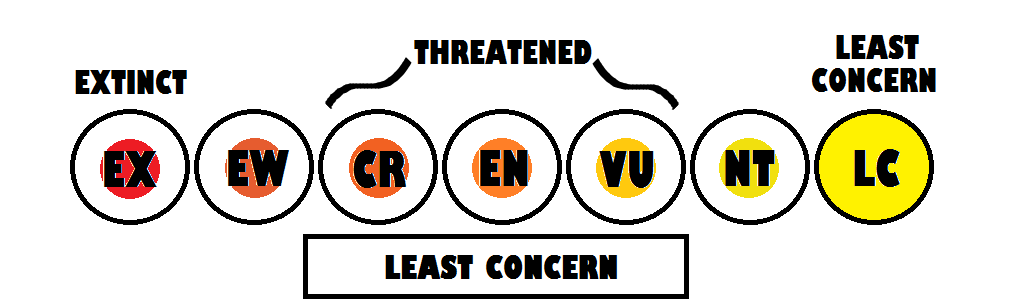
The International Union for the Conservation of Nature (IUCN) Red List assess the Mexican Giant Tree Frog as Least Concern for Extinction. The frog has a wide range, stretching down most of Mexico’s western coast and are thought to be abundant throughout it. However, the forest habitat they call home is being cut down to make room for more houses and farms.