

Common Name: Common Reed Frog
Scientific Name: Hyperolius viridiflavus
Family: Hyperoliidae – African Reed Frog family
Location: Central African Republic, Democratic Republic of the Congo, Ethiopia, Kenya, South Sudan, Tanzania, and Uganda
Size: 0.6 – 1.2 inches (15 – 30 mm)
The Common Reed Frog comes in a variety of different patterns and colors. Additionally, the female frogs and some male frogs change their colors and patterns once they reach maturity. During the juvenile phase aka Phase J, the frogs are between green or brown with light stripes. Once they reach maturity, the patterns and colors change into what seems like endless possibilities. The frogs also change colors during the dry season. The frogs skin turns white, brown, or gray to help reflect the sun’s rays.
The breeding season occurs during the wet season. The male frogs travel to shallow water bodies and start to call at dusk in hopes of attracting a mate. Once a female frog arrives, the male grasps the female frog from behind in amplexus. Then, she will lay her eggs and the male frog will fertilizes them. The female frog lays around 330 eggs. The eggs hatch at between 2 to 5 days. The tadpoles take around 2 months to complete their metamorphosis.
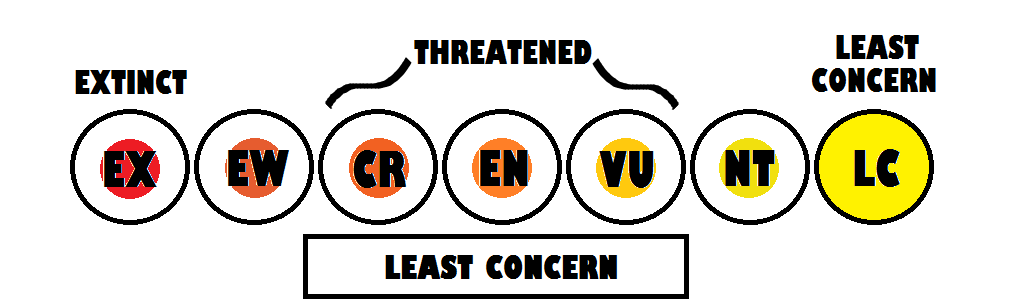
The International Union for the Conservation of Nature (IUCN) Red List assesses the Common Reed Frog as Least Concern with Extinction. The frog has a wide range and presumed large population. There are currently no major threats to the frog.
