

Common Name: Italian Tree Frog
Scientific Name: Hyla intermedia
Family: Hylidae – Tree Frog family
Location: Italy, Switzerland, Slovenia (possibly San Marino)
Female Size: slightly larger than males
Male Size: 1.6 – 2.0 inches (4 – 5 cm)
As the name suggests, the Italian Tree Frog lives in trees and bushes in mostly Italy and a little bit into Switzerland and Slovenia. The frog is generally green in color with a dark band through their eye and down their side.
During the breeding season (spring), the male frogs move to pools and puddles to start calling in a chorus. The female frog arrives and selects a mate. Next, the male frog grasps the female frog from behind in amplexus. Then, the female frog lays her eggs in temporary ponds and puddles and the male frog fertilizes them. Neither parent provides any parental care for the offspring.
There is another reproductive strategy that some male frogs use. Instead of calling out to attract the female frog and possibly being selected, these male frogs take a more active route. These male frogs sneak around the outside of the mating area, waiting for the female frog to select a mate. They rotate around the chorus like a satellite, which is why they are called the satellite males. Once the female frog starts laying her eggs, the satellite male frog rushes in and tries to fertilize them before the other male can.
The Italian Tree Frog was previously considered a subspecies of the European Tree Frog (Hyla arborea), it was elevated to its own species in 2020.
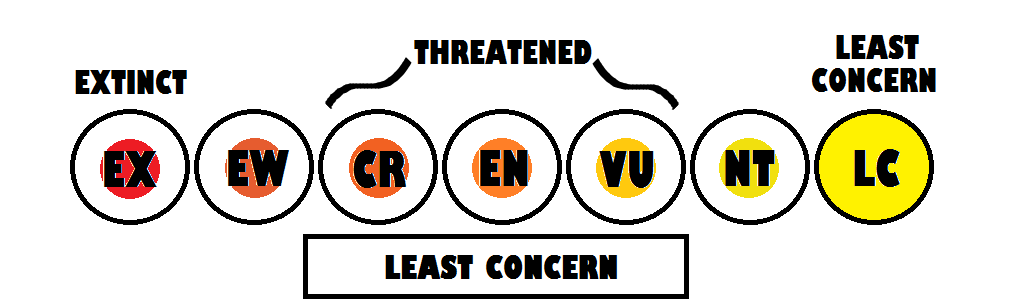
The International Union for the Conservation of Nature (IUCN) Red List assesses the Italian Tree Frog as Least Concern for Extinction. The frog has a nice size range and a large population. There are currently no major threats to the Italian Tree Frog but local populations are threatened by habitat loss due to urbanization and water pollution.