

Common English Name: Caribbean White Lipped Frog, Antillean White Lipped Frog
Spanish Name: Ranita de Labio Blanco, Sapito de Labio Blanco
Scientific Name: Leptodactylus albilabris
Family: Leptodactylidae
Location: British Virgin Islands, Dominican Republic, Puerto Rico, and the U.S. Virgin Islands
Size: 1.4 inches (36 mm)
The Caribbean White Lipped Frog is a semi-aquatic frog, named after the white stripe on their lip. Many other frogs in the genus Leptodactylus have this feature so don’t use it to identify the frog.
The male frogs call from the ground or low vegetation. The female frog lays her eggs in a foam nest under a rock or log. The The eggs hatch into tadpoles. At the first rains, the tadpoles are washed into temporary pools or other water bodies with little or no water movement. There, they complete their metamorphosis. Neither parent provides any more support for their offspring.

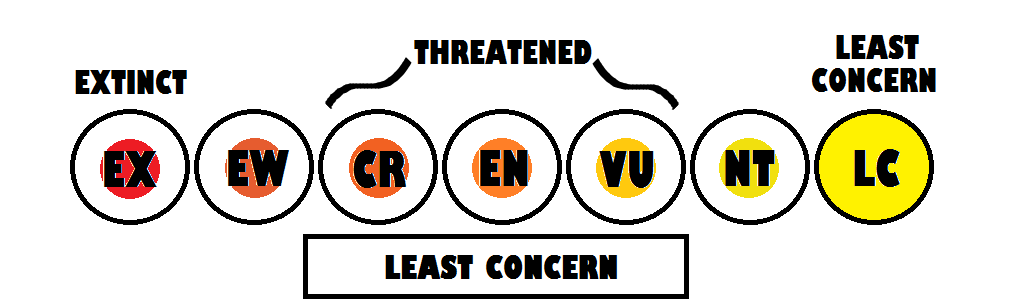
The International Union for the Conservation of Nature (IUCN) Red List assess the Caribbean White Lipped Frog as Least Concern for Extinction. They are numerous on the islands that they are found on. Potential problems in the future could be climate change, chytrid fungus, and the Striped Keelback snake (Xenochrophis vittatus).
Climate change is known to increase the frequency of extreme events such as drought. These droughts dry up the water bodies the tadpoles need to complete their metamorphosis as well as the frogs themselves.
Chytrid fungus is a deadly amphibian disease that causes the skin of the frogs to harden. This causes frogs to have a hard time breathing since they do it through their skin. Eventually, it leads to the death of the frog. The disease has been found on Caribbean White Lipped Frogs on Puerto Rico.
The Striped Keelback snake (Xenochrophis vittatus) is native to Indonesia but has spread to Puerto Rico and Singapore. They like to eat small animals such as the White Lipped Frog. It could lead to serious problems if the snake’s populations increase.