

Common Name: Tropical Clawed Frog, Western Clawed Frog, and Forest Clawed Frog
Scientific Name: Xenopus tropicalis
Family: Pipidae – Tongueless Frog family
Location: Benin, Burkina Faso, Gambia, Ghana, Guinea, Guinea Bissau, Ivory Coast, Liberia, Nigeria, Senegal, Sierra Leone, and Togo (maybe Mali)
Introduced Location: United States – Florida
Size: 1.1 – 1.6 inches (28 – 40 mm)
The Tropical Clawed Frog lives in the rain forest regions of western Africa. They are a primarily aquatic species of frog. Some parts of the life history of the Tropical Clawed Frog differs according to authors. Some say the frog is never found in running water while others have found them in fast moving streams. Others say they live in small ponds.
Once the wet season starts, the Tropical Clawed Frog moves to temporary pools in the rain forest to breed. Once the female lays her eggs, the male frog fertilizes them. Neither parent provides any parental care for their offspring.
It is reported that at the start of the dry season, the frogs move to streams and hides under tree roots, rocks, and holes in the bank.
In Florida, the Tropical Clawed Frog has been introduced and is reproducing there (like so many other invasive species). The frogs were originally thought to be the African Clawed Frog (Xenopus laevis) but genetics tests revealed the populations to be the smaller species, the Tropical Clawed Frog.
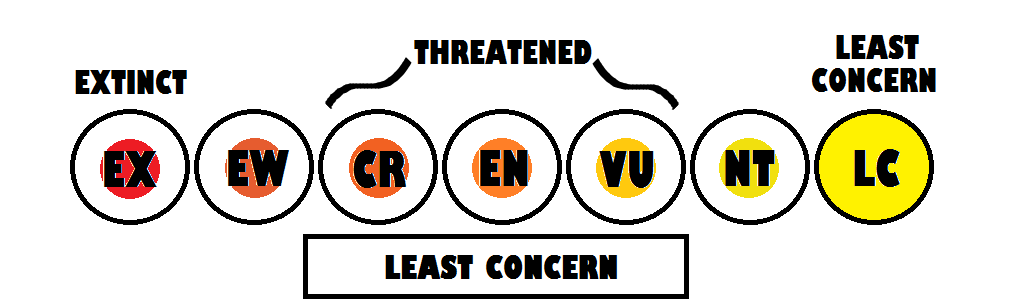
The International Union for the Conservation of Nature (IUCN) Red List assess the Tropical Clawed Frog as Least Concern for Extinction. This is due to the their wide range and large population.