

Common Name: Lovely Poison Frog, Striped Poison-Dart Frog
Scientific Name: Phyllobates lugubris
Family: Dendrobatidae – Poison Dart Frog family
Location: Costa Rica, Nicaragua, and Panama
Female Size: 0.94 inches (24 mm)
Male Size: 0.82 inches (21 mm)
The Lovely Poison Frog lives amongst the leaf litter on the floor of lowland and premontane forests. The frog’s bright colors warns predators that they are poisonous. This allows the frog to be diurnal, active during the day. The Lovely Poison Frog is a member of the most poisonous genus of frogs, Phyllobates, however, they are one of the least poisonous of the group. Extra note, the Golfodulcean Poison Dart Frog (Phyllobates vittatus) is sometimes referred to as the Lovely Poison Frog.
The breeding season for the Lovely Poison Frog is during the wet season. The male frog calls from a concealed area to attract female frogs. Once the female frog arrives, the pair work to make a nest on the ground. Then, the female frog lays her eggs on the forest floor and the male frog fertilizes them. The male frog guards the eggs and even keeps them moist by peeing on them. Once the eggs hatch, the male frog carries the eggs on his back to streams where the tadpoles will complete their metamorphosis.
The Lovely Poison Frog can be found in the pet trade. The frogs accumulate their poison from the food they eat in the wild, so captive bred individuals are not poisonous. Be sure to read my article Preparing for a Pet Frog or Toad if you are considering buying a pet frog.
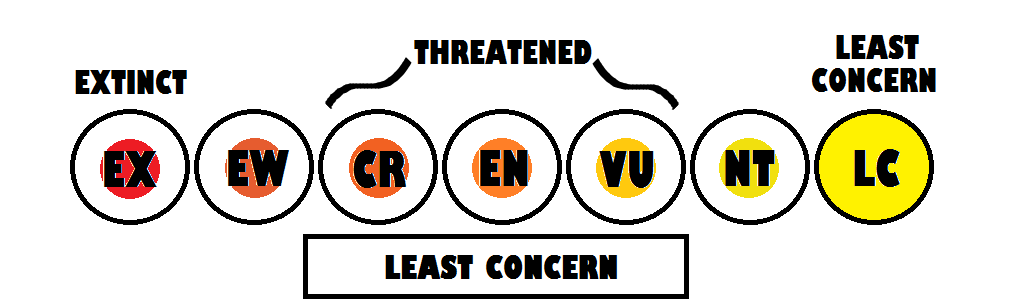
The International Union for the Conservation of Nature (IUCN) Red List assesses the Lovely Poison Frog as Least Concern for Extinction. The frog has a wide range and a presumed large population. There are currently no major threats to them.