

Common Name: Iberian Green Frog, Perez’s Frog, and Coruna Frog
Scientific Name: Pelophylax perezi
Family: Ranidae – True Frog family
Location: France, Gibraltar, Spain, and Portugal
Introduced Locations: the Azores, Balearic Islands, United Kingdom, Canary Islands, and Madeira
Size: 1.6 – 4.0 inches (40 – 100 mm)
The Iberian Green Frog is native to the Iberian peninsula and a little up into France but as spread to islands around the area. They live in and nearby permanent and temporary bodies of waters including lakes, streams, swamps, and ditches. They are active throughout most of their range, except in the coldest areas. In those areas, they undergo a winter rest.
The male Iberian Green Frog can be heard calling from the shallows of water bodies throughout the year in some areas. Once a female frog arrives, the male frog grasps her from behind in amplexus. Then, the female frog lays her eggs and the male frog fertizlies them. The female frog can lay over 7000 eggs. The eggs hatch between 5 to 8 days. Then, the tadpoles can take 8 to 12 weeks to complete their metamorphosis. but in some areas, they can take all winter.
The Iberian Green Frog and the Marsh Frog (Pelophylax ridibundus) are able to hybridize to produce the Graf’s Hybrid Frog (Pelophylax grafi). They are found in southwestern France and along the French and Spanish border.
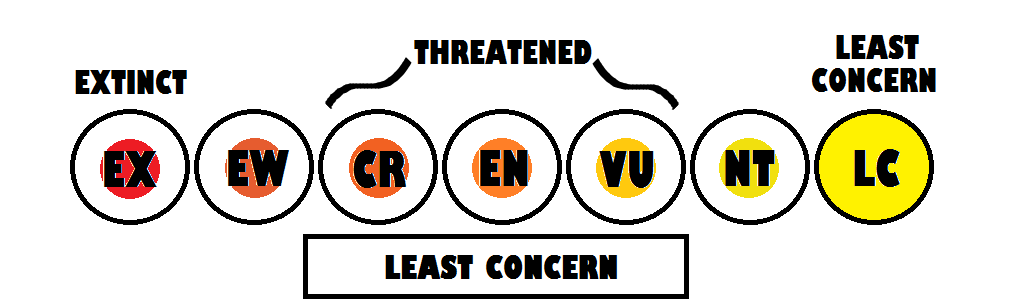
The International Union for the Conservation of Nature (IUCN) Red List assesses the Iberian Green Frog as Least Concern for Extinction. They have a decent size range that has expanded past their natural borders.