

Common Name: Painted Reed Frog, Marbled Reed Frog
Scientific Name: Hyperolius marmoratus
Family: Hyperoliidae – African Tree Frogs
Location: Eswatini, Malawi, Mozambique, South Africa, and Zimbabwe (Potentially Zambia and Tanzania)
Size: 1.3 inches (33 mm)
The Painted Reed Frog varies in color from black and brown to yellow and green with stripes, spots, or blotches. The frog spends most of their day up in the canopy of the forests they live in.
Mating takes place following the rains normally between October to February but the can breed anytime during the year following the rains. The frogs use a variety of different water bodies to breed in, from temporary ponds to marshes and streams. Once the sun starts to set, the male frogs move down from the canopy to call to attract female frogs. The male calls from a variety of different places, such as the shallows of the water body, trees, bushes, reeds, or even just the ground next to the water. Once the female selects a mate, the male frog grasps her from behind in amplexus. Then, the female lays her eggs and the male fertilizes them. The female lays between 150 to 600 eggs. Neither parent provides any parental care for the offspring.
The frogs aestivate (becomes dormant) during the dry season under logs and rocks. This allows the frog to preserve water during the hot, dry season.

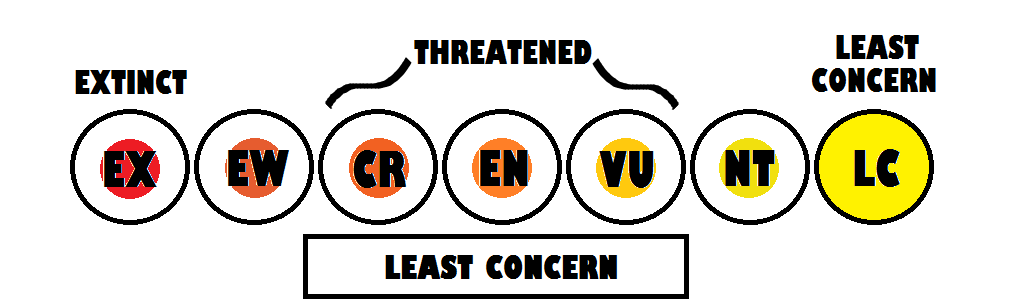
The International Union for the Conservation of Nature (IUCN) Red List assesses the Painted Reed Frog as Least Concern for Extinction. The frog has a wide range and presumed large population.