

Common Name: Red Pumpkin Toadlet
Scientific Name: Brachycephalus pitanga
Family: Brachycephalidae – Saddleback Toads
Locations: Brazil
Size: 0.42 – 0.55 inches (10.8 – 14 mm)
The Red Pumpkin Toadlet lives in the Atlantic rainforests of São Paulo state of southeastern Brazil. They live primarily amongst the leaf litter on the ground but can be found up to three feet off the ground. The females toadlets are slightly larger than the males. Their colors are aposematic, meaning their colors warn predators that they are poisonous. This allows the toadlet to move around during the day without fear of being eaten by a predator. Also, the species posses highly fluorescent bones on their back and head. Researchers aren’t exactly sure why but its probably a signal possibly to warn of their toxins.
The mating season for the toadlet is believed to be during the rainy season. The male toadlets stake out territory and will defend the land from other males including fighting them. Depending on the humidity, the male toadlets call from on or in the leaf litter to attract females. The females toadlets lay their eggs on the ground and the male fertilizes them. The eggs are direct developing, skipping the free tadpole stage, meaning they hatch as small toadlets.
Conservation Status of the Red Pumpkin Toadlet
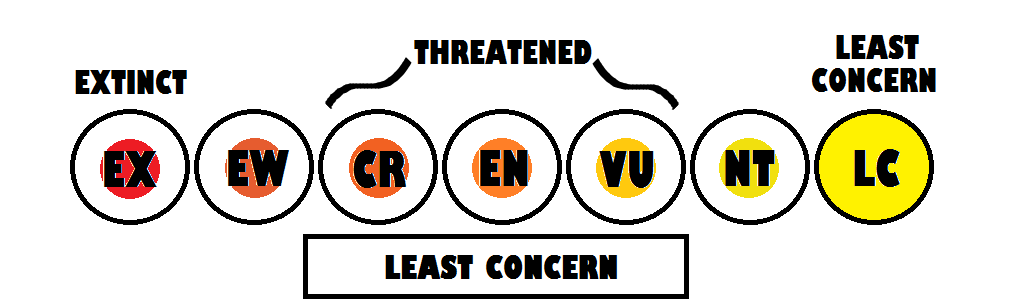
The International Union for the Conservation of Nature (IUCN) Red List assesses the Red Pumpkin Toadlet. as Least Concern for Extinction. The toadlet has a wide range and presumed large population. There are no major threats to the species.