

Common Name: Eastern Spadefoot Toad
Scientific Name: Scaphiopus holbrookii
Family: Scaphiopodidae – Spadefoot Toad family
Location: United States – Alabama, Arkansas, Connecticut, District of Columbia, Delaware, Florida, Georgia, Illinois, Indiana, Kentucky, Louisiana, Massachusetts, Maryland, Missouri, Mississippi, North Carolina, New Jersey, New York, Ohio, Pennsylvania, Rhode Island, South Carolina, Tennessee, Virginia, and West Virginia
Size: 1.5 – 2.5 inches (2.3 -3.9 mm)
The Eastern Spadefoot Toad are a fossorial species, living underground in burrows for most of their life. They are great at burrowing thanks to the keratanized shealths “spades” on their rear legs. Sandy or loose soil areas are the preferred since its easier to dig in them. The toads usually only come to the surface to breed following warm rains.

In the north, they breed from March to August while they can breed anytime in the south. Breeding is triggered by rain once it reaches between 45 – 50 degrees Fahrenheit. Spadefoots breed primarily in temporary bodies of water, to protect the eggs from predators such as fish. However, they do sometimes breed in permanent bodies. Reproduction is pretty typical. Male toads will call from the shores to attract a mate. Once a female toad selects a mate, the male toad will grasp the female from behind in amplexus. Then, the female toad will lay her eggs and the male toad will fertilize them. The female toad can lay up to 2, 500 eggs at a time. No parent provides any care for the eggs and they leave them be.
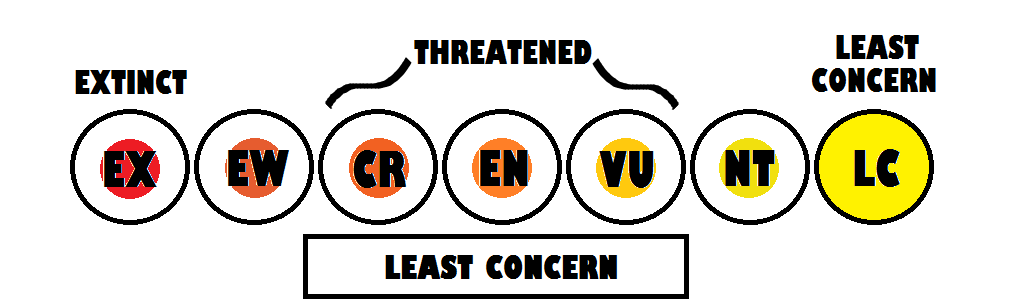
While the International Union for the Conservation of Nature (IUCN) Red List assesses the Eastern Spadefoot Toad as Least Concern with Extinction, in many states, it is protected. Habitat destruction is the main reason for the decline. Overall, we need better protections for wetlands to help the toad.
25 thoughts on “Eastern Spadefoot Toad (Scaphiopus holbrookii)”