

Common Name: Splendid Tree Frog, Magnificent Tree Frog
Scientific Name: Pelodryas splendida
Family: Pelodryadidae – Australian Tree Frog family
Location: Australia
Size: 4.7 inches (12 cm)
The Splendid Tree Frog is known for their bright colors and their large parotoid gland on their head and neck. These glands are a defense mechanism for the frog. They are full of poison that isn’t toxic to humans but are to the frog’s natural predators. The colors are a warning sign their predators about their poisons. While being a tree frog, the Splendid Tree Frog spends most of its time on the ground. They are a nocturnal species, spending their nights hunting for food.
The Splendid Tree Frog breeds during the rainy season from October to February. The male frogs will call out to attract the female frogs. Once the female frog arrives, the male frog grasps her from behind in amplexus. Then, she lays her eggs in a pool of water and the male frog fertilizes them. The female frog lays around 1000 eggs at a time. After mating, both of the frogs leave and provide no parental care to their offspring. The tadpoles take between 1 to 4 months to complete their metamorphosis.
*The species was formerly considered to be Litoria / Ranoidea splendida of the family Hylidae, the Tree Frog family. Some still consider Hylidae as its family and that Pelodrydidae to be its subfamily. Recent article has moved the frog to a newly elevated family and a new genus inside of it based of genetics.
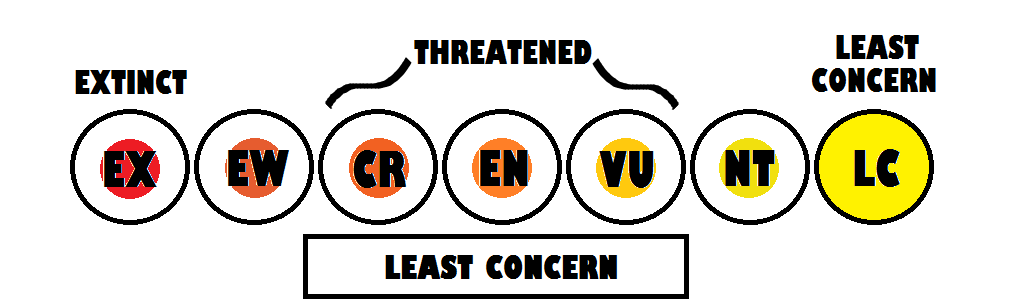
The International Union for the Conservation of Nature (IUCN) Red List assesses the Splendid Tree Frog as Least Concern for Extinction. The frog has a wide range and a large population. There are currently no threats to the frog.