

Common Name: Red-Banded Rubber Frog, Banded Rubber Frog
Scientific Name: Phrynomantis bifasciatus
Family: Microhylidae – Narrowmouthed Frog Family
Location: Angola, Botswana, Democratic Republic of the Congo, Kenya, Malawi, Mozambique, Namibia, Somalia, South Africa, Swaziland, Tanzania, Uganda, Zambia, and Zimbabwe
Size: 3 inches (75 mm)
The Red-Banded Rubber Frog is a terrestrial species, found in grasslands and savannas. When threatened the frog can release a toxic substance out of their skins that can cause irritations to humans and kill other frogs and mammals.
The frogs form breeding choruses following heavy rains. The male frogs call from the shallows of temporary pools of water that were formed by the rains. Once the female frog arrives, the male grasps her from behind and around the armpits in axillary amplexus. Then, the female frog lays her eggs and the male frog fertilizes them. The females lay around 600 eggs. Neither parent provides any parental care for their offspring. The eggs hatch in 4 days. The tadpoles complete their metamorphosis in around a month.
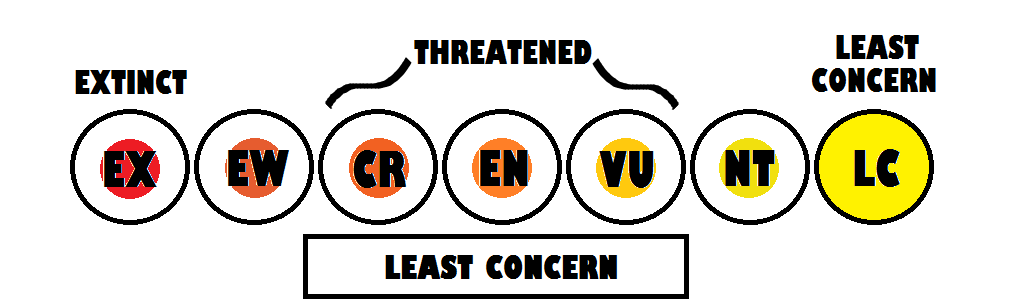
The International Union for the Conservation of Nature (IUCN) Red List assess the Red-Banded Rubber Frog as Least Concern for Extinction. They have a massive range, covering most of southern Africa. Also, the frogs have a large population and are common throughout their range.