

Common Name: Santa Cecilia Cochran Frog, Midas Glass Frog, or Rana de Cristal Midas
Scientific Name: Teratohyla midas
Family: Centrolenidae – Glass Frog family
Location: Brazil, Ecuador, French Guiana, and Peru
Female Size: 0.8 – 1 inch (20.6 – 25.6 mm)
Male Size: 0.7 – 0.75 inches (17.4 – 19.2 mm)
The Santa Cecilia Cochran Frog’s scientific name Teratohyla midas refers to King Midas, whose touch turns everything to gold. The frog has golden dots on its body and it is found along the Aguarico River, a river that has large quantities of gold in it.
Like most Glass Frogs, the Santa Cecilia Cochran Frog blends into the leaves of trees that they spend their live on thanks to their transparent skin. The female frogs lay their eggs on leaves or rocky formations overhanging rivers and streams. Parental care has been observed in the species. A female covered her eggs for an hour after she laid 27 of them. It is not sure if she was keeping the eggs hydrated or protecting them from predators. Once the eggs hatch, the tadpoles fall into the river or streams where they will complete their metamorphosis.

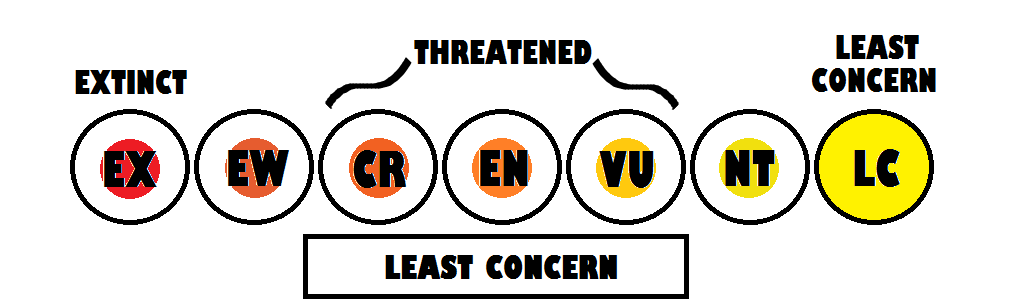
The International Union for the Conservation of Nature (IUCN) Red List assesses the Santa Cecilia Cochran Frog as Least Concern for Extinction. The frog has a huge range and are thought to be common throughout it. Overall, there are no threats to the frog’s survival but small populations are threatened by deforestation.