

Common Name: Common Coquí, Puerto Rican Coquí
Scientific Name: (Eleutherodactylus coqui)
Family: Eleutherodactylidae
Native Location: Puerto Rico
Introduced Location: Costa Rica, Dominican Republic, Virgin Islands, Hawaii, Louisiana, and Florida
Size: Male are 1.1 inches to 1.4 inches (30 to 37 mm) while females grow from 1.4 to 2 inches (36 to 52 mm)
The Common Coquí is one of the loudest frogs in the world. The male call is as loud as a lawn mower or jack hammer. The name of the frog is also from their call because that’s the sound the male makes. Their call is used to attract females and to warn off males from coming into their territory. A male can approach and then they battle it out with song to see who gets the land.

The Coqui breeds year round but more from late spring to early fall. With the males calling, the females will approach them. Next, the males lead them to their nest. The nests can be on palm trees or other plants. They even use bird nests as their nests. Then, they will mate. After breeding, the males protect the eggs until they hatch into full grown froglets, skipping the tadpole stage.
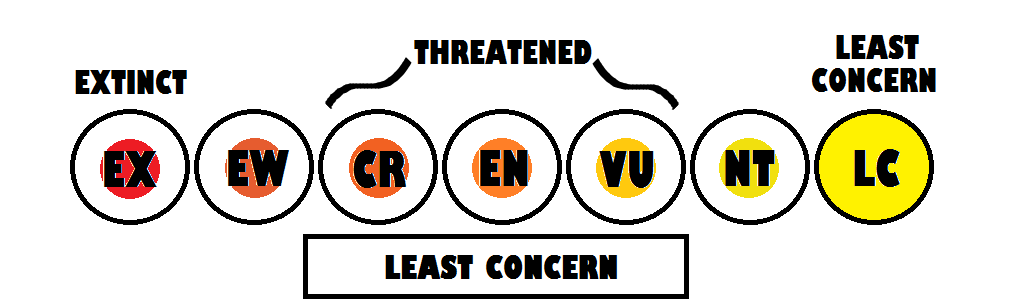
The International Union for the Conservation of Nature (IUCN) Red List classifies the Common Coquí as Least Concern for Extinction. The species has a wide range and large population on the island, They have been introduced to other areas where they are causing problems for native wildlife and people. The only real threat to the frog is economic development on the island of Puerto Rico. Due to their poor economy, the government may remove protected areas to make room for more development.
In Hawaii, they are considered an invasive species due to their effects on the environment and on people. Their loud call annoys tourists and home owners, causing some tourists not to visit areas with the frogs and causing home prices to drop. For the environment, the coqui has no native predators on the islands, causing their populations to explode. These giant populations feast upon native insects which may sound like a good thing but then there are no insects to pollinate the plants. BAM. Environmental problems happen.
5 thoughts on “Common Coquí (Eleutherodactylus coqui)”